

Our terroirs

An incredible mosaic of terroirs...
 

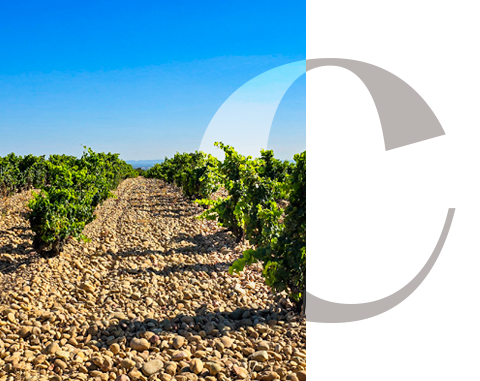
Cobbles

The emblematic terroir of Châteauneuf, representing 60% of the appellation (North and South), galets roulés, or cobbles, are stones rounded by fluvial erosion. They come from the ancient bed of the Rhône, which transported these stones from the Alps to the Rhône valley.
These cobbles play a crucial role in the vineyard's thermal regulation: during the day, they absorb the sun's heat. At night, the cobbles return the heat stored during the day to the grapes. In this way, they contribute to the full ripening of the grapes. This restitution process helps to avoid sudden temperature variations, which is beneficial for the vines, especially during the cooler months.
And in water regulation: the cobbles also enable better soil drainage, preventing the vine roots from becoming excessively damp. They also prevent the development of certain diseases, as water evaporates on contact with the cobbles. This moderate water stress favors the concentration of aromas in the grapes.
The cobbly soil is particularly well-suited to the Grenache grape, enhancing its rich content and intense aromas. Other grape varieties such as Syrah, Mourvèdre and Cinsault also find a unique expression here, contributing to the complexity of the wines.
The cobbles give power, opulence and a ripe, sunny profile to the wine.


Calcareous slivers

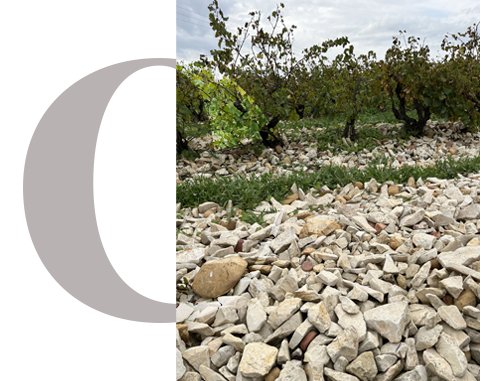
They are soils of hard limestone rocks with clay subsoils, or formed of molassic sandstones. There are fragments of limestone rocks, formed by erosion or fracturing of geological layers.
The limestone fragments facilitate soil drainage, which prevents excess water from stagnating and forces the vines' roots to sink deeper into the soil. This promotes good rooting and helps the plant to draw nutrients from deep down.
They are often associated with relatively poor soils, which is beneficial to the vine as they encourage the plant to produce high-quality grapes rather than excessive vegetation.
The limestone fragments give minerality to the wine, which gives it great aromatic finesse. The vines planted on limestone tend to give the cuvées a lively and refreshing acidity for the whites and a balance and structure for the reds, thus promoting a good ageing potential.
The terroir of limestone fragments is also renowned for producing wines with great precision and great purity in aromas.


Sandy hillside soils

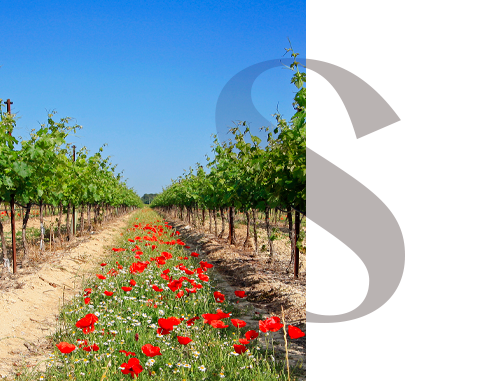
Formed by the retreat of the Rhône, they are layered between wooded areas and stony plateaus, this type of soil is found in the east of the appellation area. These soils are predominantly sandy, often gently sloping, hence the name “coteaux”.
Sandy soils are well drained, which means they don't retain excess water. This prevents stagnant humidity that could lead to root disease and other problems associated with excess water.
Sand tends to warm up quickly in spring. This ability to rapidly accumulate and release heat enables vines to start their growth cycle earlier, promoting faster grape ripening.
Here, the vines have to work harder to obtain the nutrients they need, but this is beneficial for the production of top-quality grapes. This favors the concentration of aromas and flavors in the grapes.
These sandy soils give elegance, finesse and silkiness to the wine.


Red sandstone

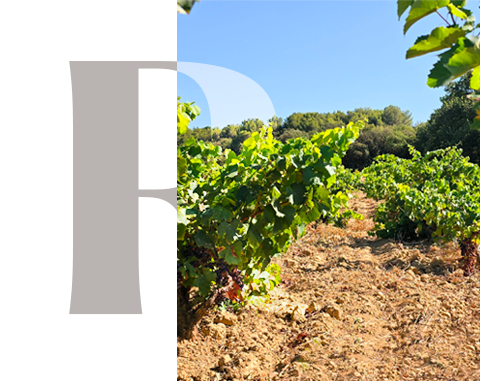
Red clays are often rich in iron, which gives them their distinctive red color.
Clay, by its very nature, is a very dense soil that retains a lot of water. This enables the vines to access water even during periods of drought.
Clay soils take longer to warm up in spring. This means that vineyards planted on red clay can have a slower start to the vegetative cycle. However, this ability to retain heat can be an advantage later in the season, when the clay continues to slowly release accumulated heat, helping to ripen the grapes.
Red clay is rich in minerals and essential vine nutrients such as calcium, potassium and magnesium. These elements contribute to the health of the vine and are beneficial for the production of high quality wines.
Vines planted on red clay tend to produce berries with a higher concentration of aromas, beneficial for the production of high-quality wines.
They bring great structure to the wine and good tannic concentration, with deep, complex flavors. They can also have good ageing potential thanks to their strong tannic structure and well-balanced acidity.