
The Popes in Châteauneuf

In the beginning, a story, that of the popes...

Vine-growing in Châteauneuf du Pape began to develop in the 14th century under the reign of Jean XXII (1316 - 1334), when the Holy See moved to Avignon. He had the castle built as his "secondary residence".
As a native of Cahors, he made a major contribution to the development of the vineyard and the reputation of its wines.


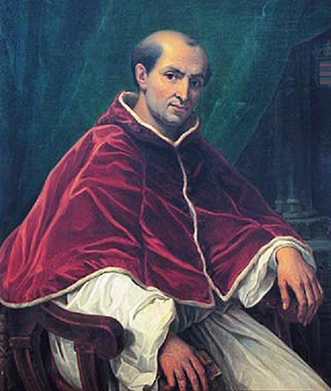
Pontificate of Clément V

1305 - 1314

Clement V played a key role in moving the papacy to Avignon. He was the first pope to install the papacy in France, in 1309, in the city that would become known as the Cité des Papes. His arrival in the region directly influenced the development of vineyards, particularly in Châteauneuf du Pape
In 1314, during his stay in Provence, he discovered the richness of the terroir around Châteauneuf-du-Pape, marking the beginning of a historic relationship between the papacy and this wine-growing region. He was the first pope to recognize the terroir's potential for wine production.
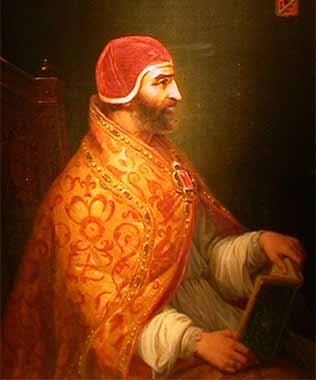
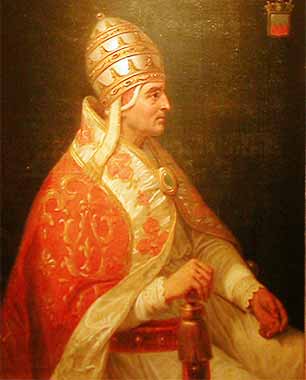

Pontificate of Clément VI

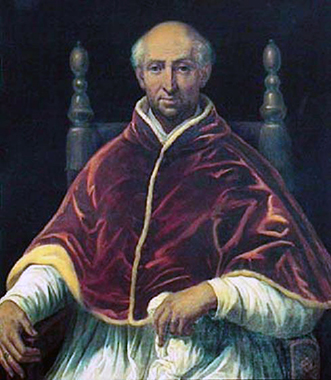
1342 - 1352

Under the pontificate of Clement VI, the development of viticulture in the Provence region was a priority, not least because of the influence of the Avignon popes.
In 1344, the first official mention of a wine-growing terroir in Châteauneuf-du-Pape was made, demonstrating the region's already growing importance for viticulture at the time. This terroir, known as “Bois de la Ville”, is recognized today as one of the first documented terroirs in the history of this famous vineyard.


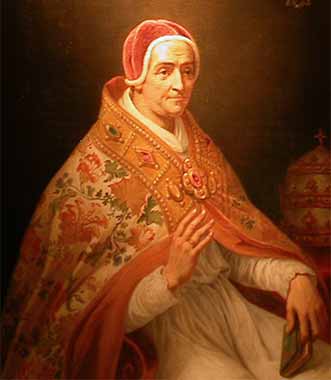
Pontificate of Innocent VI

1352 - 1362

Innocent VI continued to maintain a special relationship with this wine-growing region. Records from the period indicate that this pope, like his predecessors, particularly appreciated the wines from the Châteauneuf vineyards, both red and white, which had acquired a reputation for quality under the influence of the Avignon popes.
The continued presence of these wines illustrates their importance in the gastronomic culture of the Avignon popes.


Pontificate of Urbain V

1362 - 1370

Urbain V took a particular interest in local viticulture and decided to give it new impetus. During his pontificate, Urbain V ordered the planting of new grape varieties in the Châteauneuf-du-Pape region, thus reinforcing the diversity of cultivated varieties. His aim was not only to diversify production, but also to optimize land use and support the local economy.
His actions reinforced Châteauneuf-du-Pape's position as a wine center.


Pontificate of Clément VII

1378 - 1394

Clement VII had a special relationship with the wines of Châteauneuf-du-Pape, a link that reflects the importance the Avignon popes attached to this prestigious cru.
In 1390, according to historical accounts, Clement VII was reported to have expressed his displeasure with a local Châteauneuf-du-Pape winemaker, who had been unable to supply him with the quantity of wine he had requested. The fact that a winemaker was condemned for this demonstrates not only the importance of satisfying the papal request, but also the reputation of the vineyard. It was probably frowned upon for a winegrower not to honor an order from the papal court.